Just over 12 months ago, during Access! 2025 the Biosimilars Council released a new report, in partnership with the IQVIA Institute for Human Data Science. The Biosimilar Void, as it came to be known, continues to shape the conversation around challenges and remarkable opportunities related to lower-cost versions of biologic therapies. Across two days of panels, fireside chats, and data presentations, at Access! 2026, a consistent picture emerged: the U.S. biosimilar market is making real and measurable progress, but the path to fulfilling its full potential remains unfinished—with much of that potential still caught in the void.
Reasons for Optimism
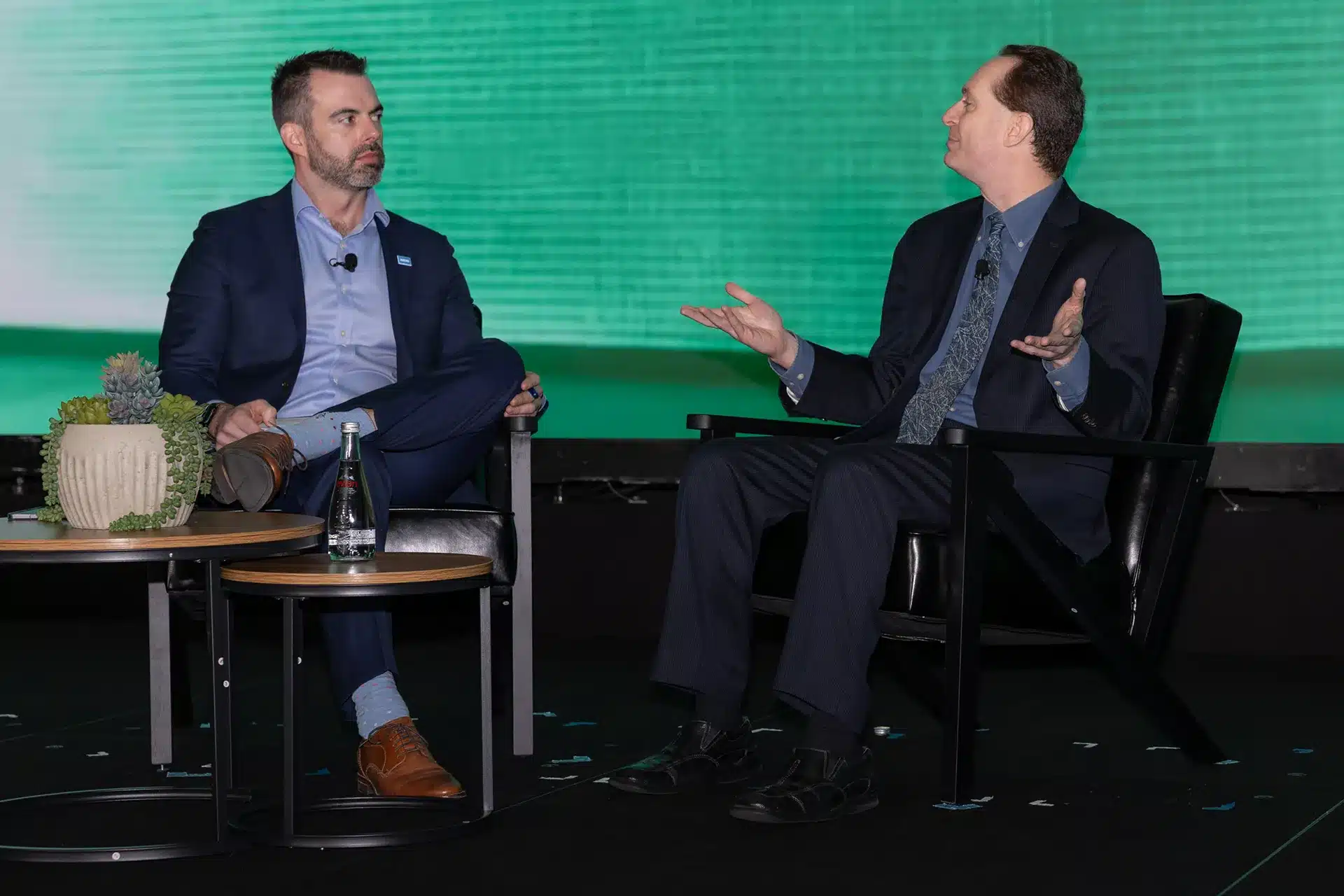
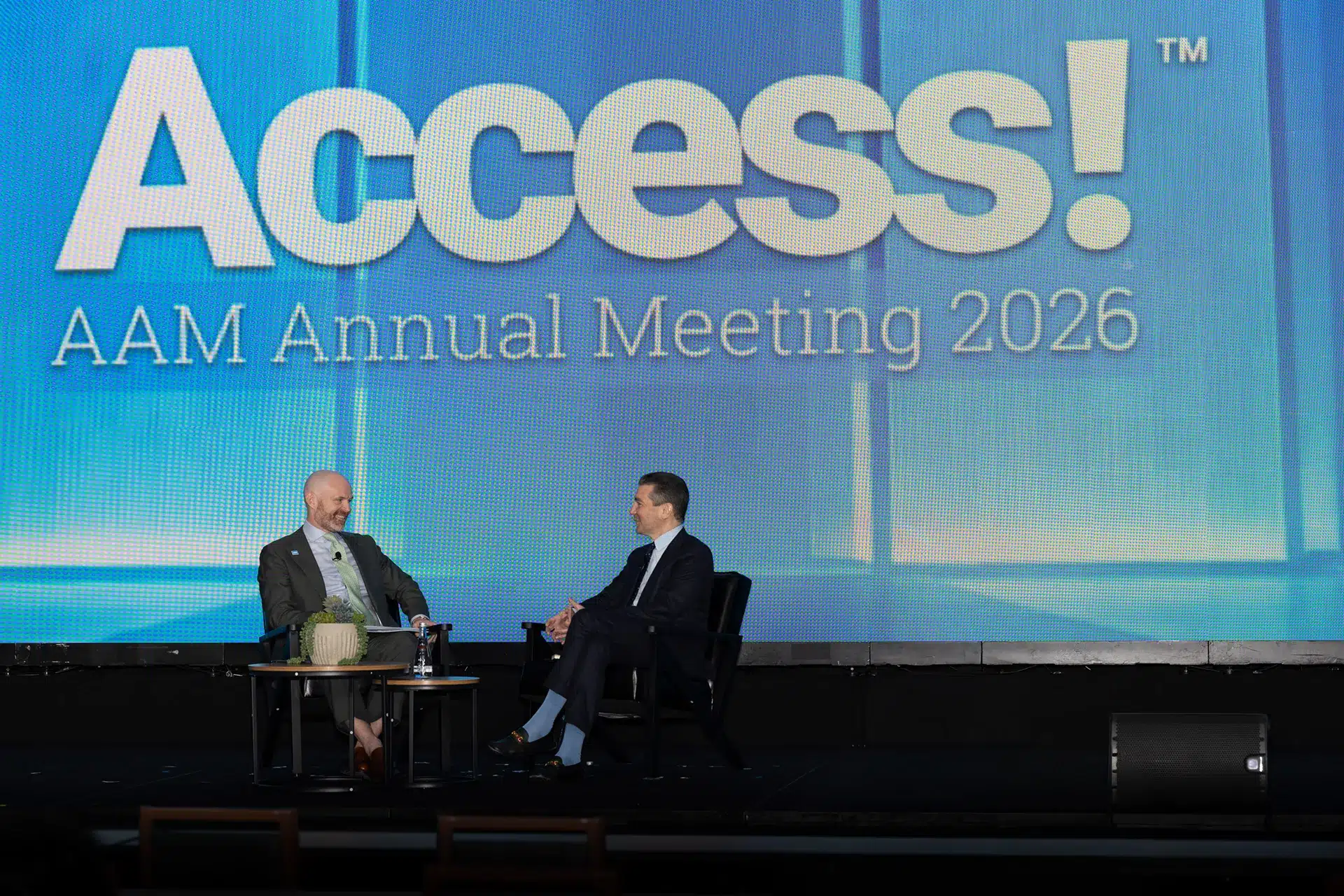
Across the conference, speakers pointed to several catalysts fueling momentum. Payer sophistication is growing: health plans and large employers, represented in a Day 1 fireside chat between Biosimilars Council Executive Director Alex Keeton and ERIC CEO James Gelfand, are increasingly demanding biosimilar utilization as a tool for managing specialty drug costs. On the policy front, PBM reform efforts continue to gain bipartisan traction, with multiple panels noting that restructuring rebate models could remove one of the most persistent structural barriers to biosimilar formulary placement.
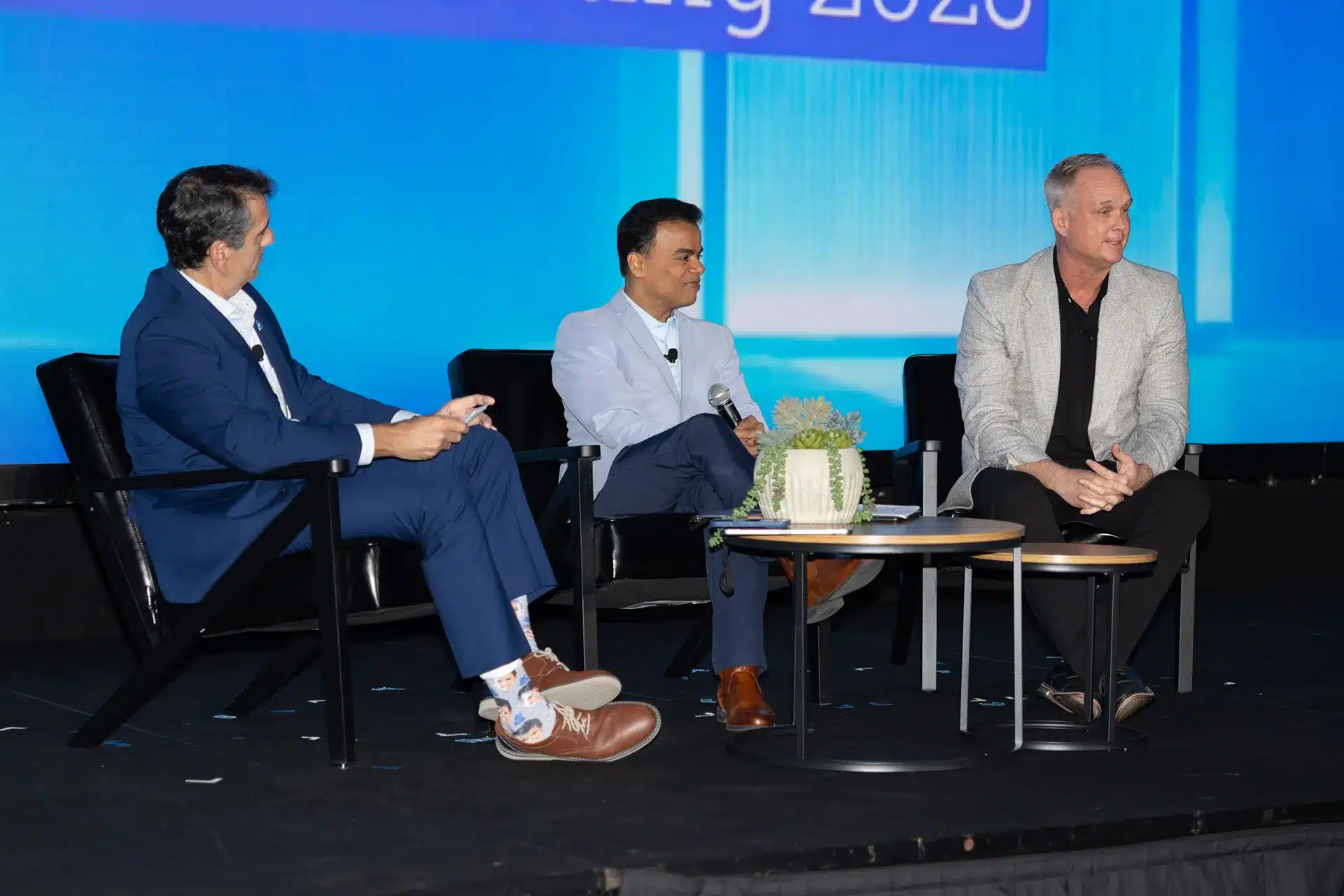
The Day 2 biosimilars panel, led by AAM SVP of Science and Regulatory Affairs Giuseppe Randazzo, highlighted that originator erosion curves are steepening for newer launches, suggesting that the market is becoming more receptive to biosimilar competition with each successive wave. And the sheer scale of the opportunity ahead -with blockbuster biologics across oncology, immunology, and ophthalmology approaching patent cliffs – gives manufacturers strong incentive to stay the course.
A Market Gaining Ground
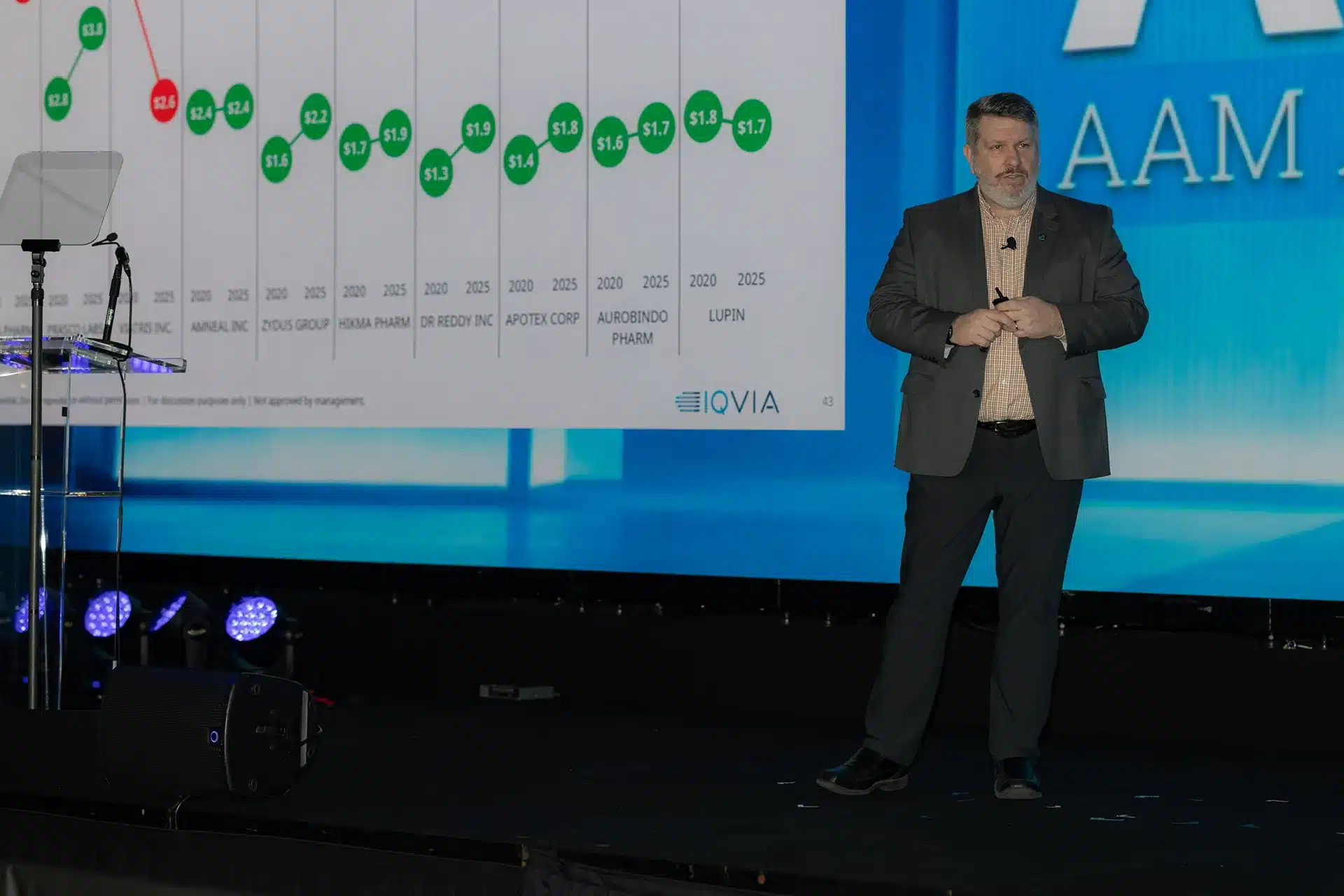
IQVIA’s market data presentation, delivered by Scott Biggs on Day 2, painted a picture of a biosimilar landscape in transition. The most compelling headline: ustekinumab biosimilars are achieving originator erosion at a pace significantly faster than adalimumab biosimilars managed in their first year on the market. The contrast is instructive. Where the adalimumab experience was marked by slow formulary adoption and aggressive originator rebating strategies, the ustekinumab wave appears to be benefiting from lessons learned by manufacturers, payers, and PBMs alike.
IQVIA data showed Pavblu emerging as the top-grossing new biosimilar launch, while Humira sales have declined more than 56% from their 2023 peak as biosimilar alternatives continue to gain ground. The broader pipeline remains robust, with 118 biologics facing patent expiries between 2025 and 2034 representing a substantial runway for future competition. Established biosimilar categories including filgrastim, infliximab, and bevacizumab have demonstrated that meaningful originator erosion is achievable when market conditions allow.
Challenges That Persist
Yet for every sign of progress, conference speakers were candid about the barriers that remain. Day 1’s session with Alex Keeton and Brian Reid laid out the structural headwinds: formulary restrictions, reimbursement models that still favor branded biologics, and a PBM ecosystem where rebate dynamics can disadvantage lower-cost alternatives. The IQVIA data underscored the uneven nature of progress, while some biosimilars are gaining share rapidly, others continue to struggle for meaningful market penetration, and several originator products have shown surprising resilience in holding share.
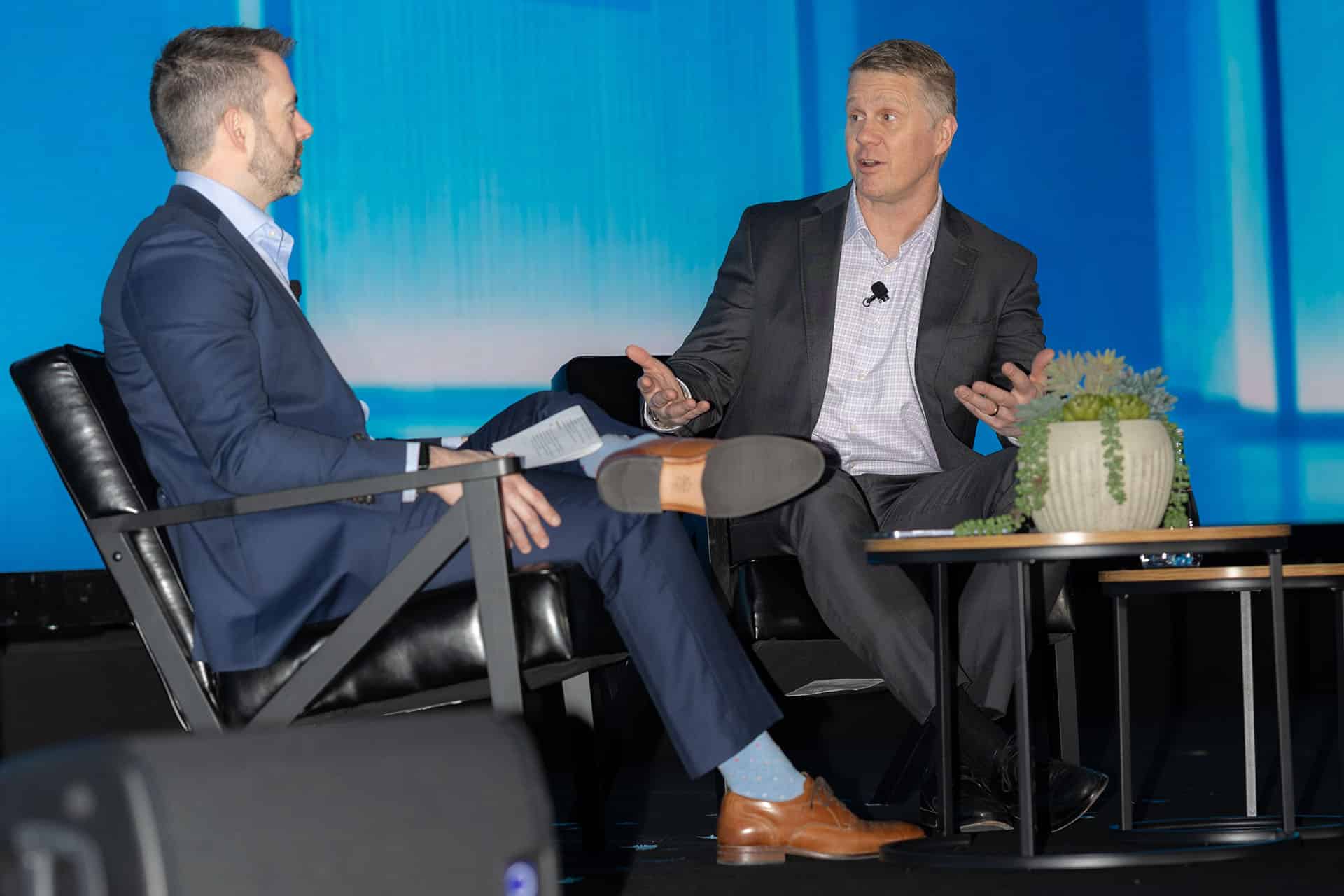
Former FDA Commissioner Scott Gottlieb, in his Day 1 fireside chat with John Murphy, added a regulatory dimension, noting that the FDA must build capacity to keep pace with the growing complexity of biologics review. Tariff instability, a recurring theme throughout the conference, adds yet another layer of uncertainty for manufacturers weighing the substantial investment required to develop and commercialize biosimilars.
The Path Forward
The collective message from ACCESS! 2026 is that the biosimilar opportunity is real and growing, but realizing it – and escaping “the void” will require continued action on multiple fronts. Policy reform, particularly around PBM transparency and rebate structures, remains essential. Employer and payer engagement must deepen. And manufacturers need confidence that the market will reward their investment in competition.
New AAM Board Chair Bob Hoffman captured the sentiment in his opening remarks: sustained success comes from executing the fundamentals together. For the biosimilar market, that means aligning industry, policymakers, payers, and patients around a shared commitment to competition and affordability, and finishing the work that is already well underway.
Still, at the time of the IQVIA Institute Biosimilar Void report mentioned above, only 12 of the 118 medicines losing patent exclusivity in the next decade had biosimilars in development. In the end, the consensus from the Access! 2026 stage was clear: the future opportunity is too compelling to let biosimilars stagnate. Policymakers must take bold action to correct course and close the biosimilar void before it’s too late for America’s patients.